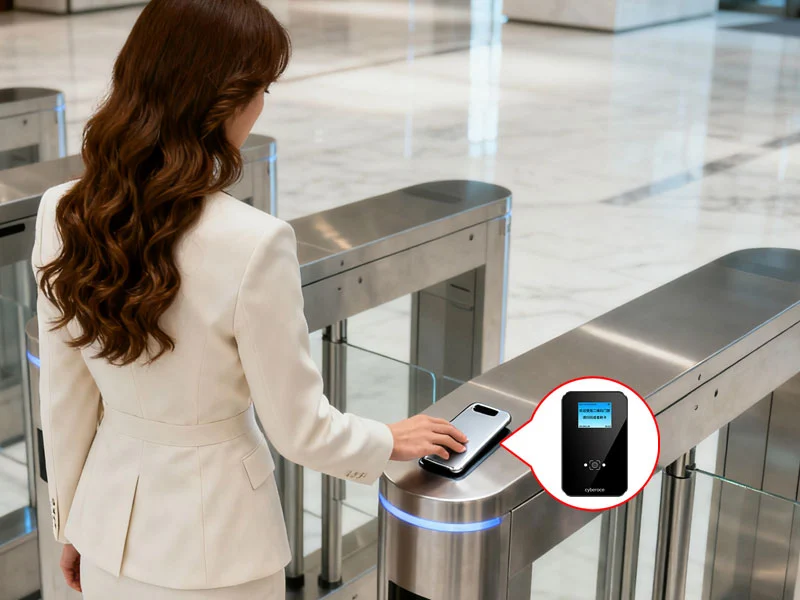
Wednesday, March 11, 2026

CR10E QR Code Access Controller Terminal: A Professional Smart Solution for Turnstile Scenarios

 In today's rapidly evolving landscape of smart buildings, scenic area management, sports venues, exhibition halls, and other scenarios, efficient, stable, and convenient access control has become a core operational requirement. Traditional access control devices are limited by their single-functionality, complex wiring, and poor compatibility, making them difficult to adapt to high-integration usage scenarios like turnstiles.

CR10E QR Code Access Controller Terminal: A Professional Smart Solution for Turnstile Scenarios

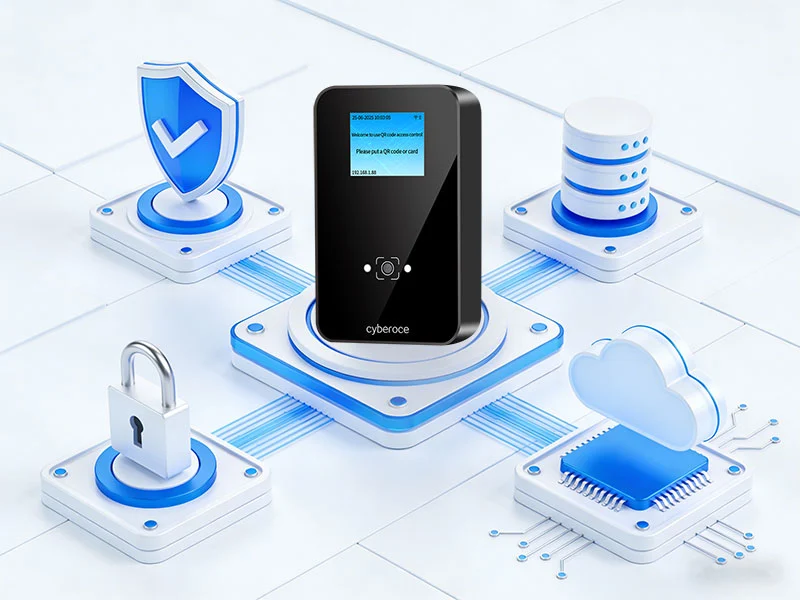
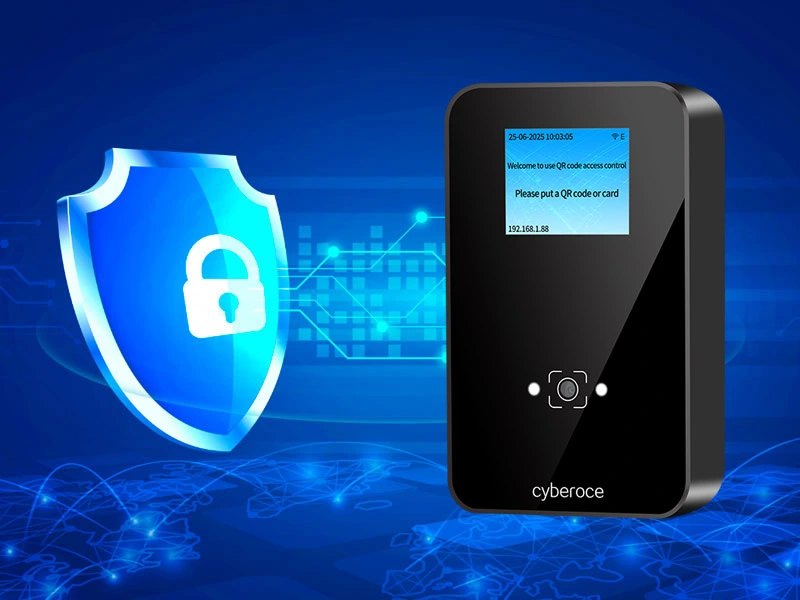
In today's rapidly evolving landscape of smart buildings, scenic area management, sports venues, exhibition halls, and other scenarios, efficient, stable, and convenient access control has become a core operational requirement. Traditional access control devices are limited by their single-functionality, complex wiring, and poor compatibility, making them difficult to adapt to high-integration usage scenarios like turnstiles. The CR10E QR Code Access Controller( All-in-One Device) was specifically designed to address these pain points, offering an integrated solution with multi-mode recognition and exceptional adaptability, making it the preferred choice for turnstile-specific access control equipment.
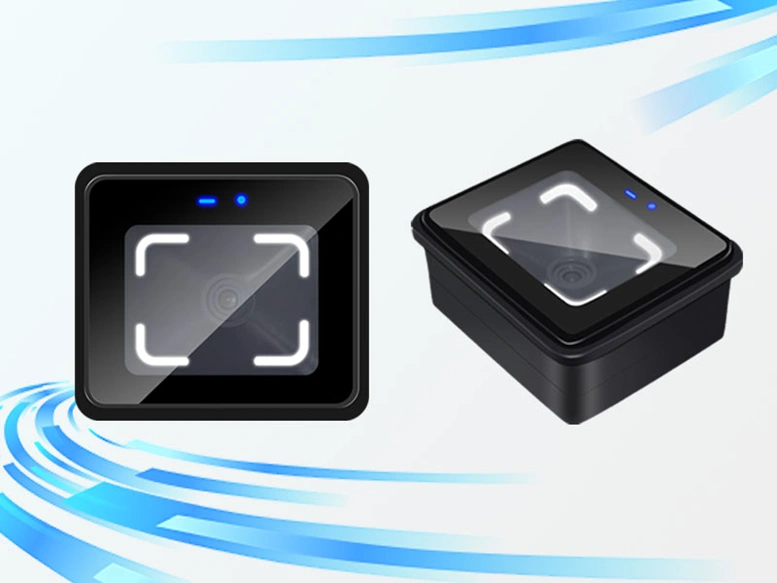
The CR10E is a dedicated QR code access controller integrated device designed for turnstiles, with its standout feature being high integration. It combines the functions of a card reader and controller into a single unit, achieving true integrated operation. Unlike traditional access control systems that require separate installation and wiring, the CR10E's all-in-one structure significantly simplifies installation steps, reduces equipment failure points, and enhances overall operational stability. Additionally, it saves installation space and construction costs, perfectly fitting the compact installation environment of turnstiles. Whether it's a cylinder turnstile, swing gate, or wing gate, the CR10E can be easily adapted.

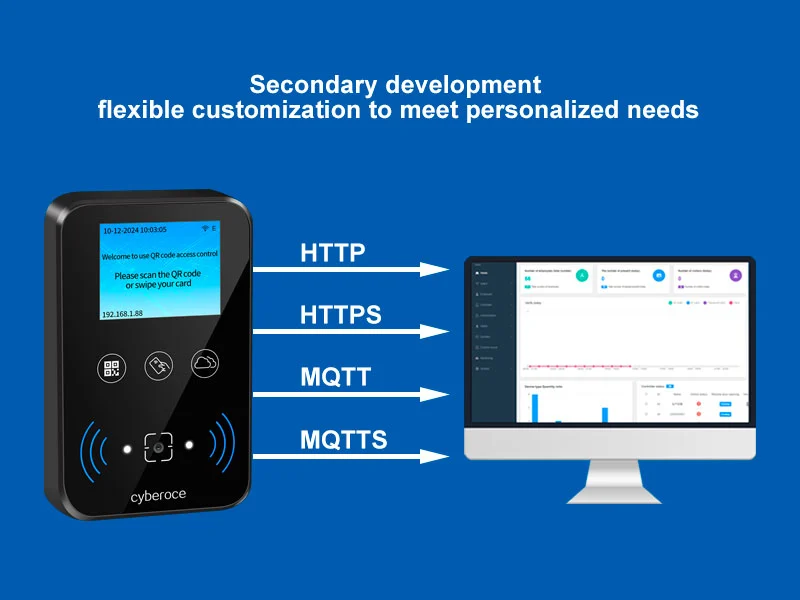
As a professional QR code access control device, CR10E has strong system compatibility and can seamlessly integrate with any third-party management system without the need for additional adapter modules. It can quickly integrate into existing security systems, ticketing systems, and office management platforms. At the same time, the device can directly control the opening and closing of the gate switch and the electric control lock, with fast response speed and accurate recognition, effectively avoiding problems such as traffic jams, false opening and closing, providing reliable guarantee for efficient personnel passage, and
truly achieving "one device for traffic control".

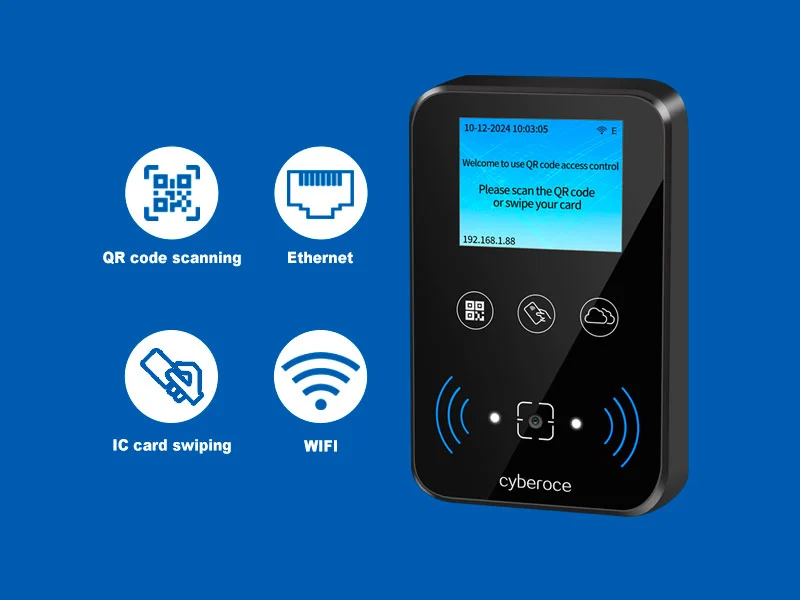
In terms of identification methods, the CR10E QR code access controller supports diversified verification modes, fully covering the usage needs of different scenarios. The device not only supports mainstream QR code recognition, meeting the needs of mobile phone scanning and electronic credential access, but also compatible with traditional recognition methods such as RFID card swiping and barcode scanning, catering to various needs such as the elderly, temporary visitor access, and regular employee swiping. Whether it's electronic tickets for scenic spots, QR codes for booking exhibition halls, access cards for office staff, or barcode vouchers for sports venues, they can all be quickly identified and accurately verified, greatly improving traffic efficiency and user experience.
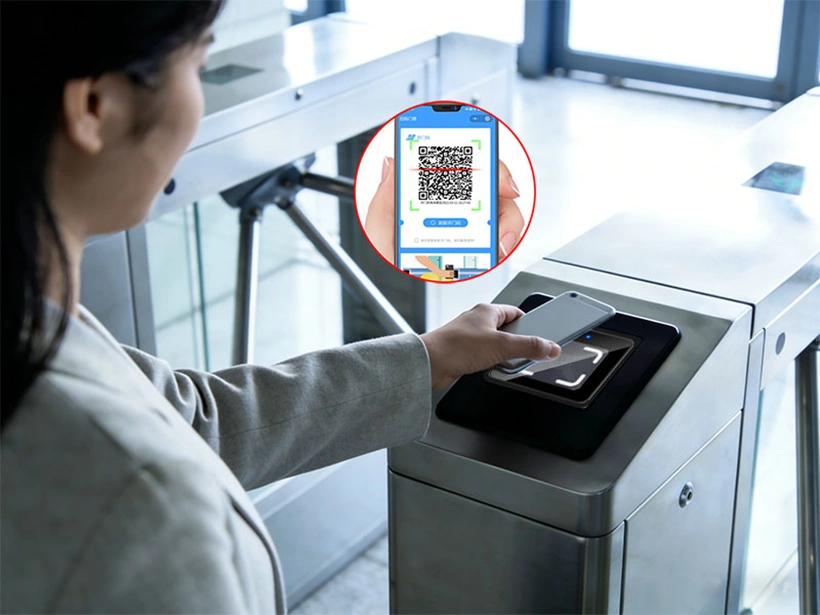
With professional design and powerful performance, the CR10E QR code access controller is widely applicable in various scenarios. In the office building scene, it can achieve seamless passage for employees and authorization for visitors to scan codes, improving the security level and management efficiency of the office park; In exhibition halls and sports venues, it is possible to quickly verify ticket QR codes and identity credentials, divert and guide large crowds, and avoid congestion and queuing; In semi open outdoor scenes such as scenic spots and parks, the equipment has strong stability and fast recognition speed, and can adapt to the needs of multiple people and high-frequency traffic, helping to achieve intelligent entrance and exit management.

Compared to ordinary access control devices, the CR10E QR code access controller focuses more on the actual needs of the gate scene. The integrated design eliminates tedious debugging, and multiple recognition methods balance convenience and universality. It is highly compatible and breaks down system barriers, simplifying the operation and maintenance process of direct control gates and electronic locks. In the current era of continuous popularization of smart access, this device not only enhances the intelligence level of entrance and exit management, but also becomes an ideal choice for various places' gate machines to match access control with high stability, adaptability, and cost-effectiveness, providing solid support for safe, efficient, and intelligent access management.

From product design to functional implementation, CR10E always revolves around the core of "professionalism, practicality, and efficiency", with QR code access control as the core function, integrating multi scenario adaptation capabilities, and truly tailoring for gate access. Whether it is commercial buildings, cultural and tourism attractions, large venues, or public venues, choosing the CR10E QR code access controller is to choose a more intelligent, stable, and worry free entrance and exit control solution, helping various scenarios achieve intelligent management upgrades.

original source from https://cerberus-qrcodeaccess.com/info-detail/cr10e-qr-code-access-controller-terminal-a-professional-smart-solution-for-turnstile-scenarios

Tuesday, March 10, 2026

"Anti-Tamper Alarm" for Access Control with QR Code Devices: Securing Hardware for Worry-Free Project Delivery

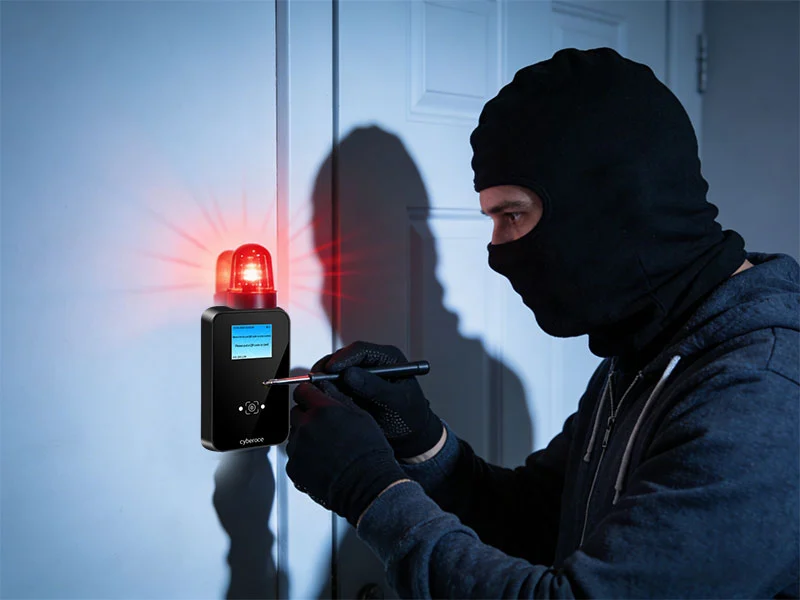
 In current projects, access control with QR code is highly prevalent. While scanning speed is a known factor, many engineering contractors are actually more concerned about another issue in real-world deployments: the risk of devices installed in outdoor or public areas being pried off or vandalized.

Table of contents:

I、What is Anti-Tamper Alarm Output?

II、What is the Practical Value of Anti-Tamper Alarms in Access Control with QR Code Projects?

III、A More Practical Solution When Paired with QR Code Systems

Text:
Through long-term collaboration with engineering contractors and system integrators, Cyberoce has found that no matter how robust the backend system is, once the physical device is dismantled, the frontline defense is breached. Addressing this issue, Cyberoce has integrated a highly practical feature into its access control with QR code terminals: the anti-tamper alarm output.

I、What is Anti-Tamper Alarm Output?

Simply it ensures that the device immediately sends out an alarm signal if it is pried open or dismantled.

During hardware circuit design, we reserved a dedicated tamper alarm interface. The device features an internal built-in sensor mechanism to detect whether the reader is properly mounted against the surface. If it is forcibly pried or detached from its bracket, the reader instantly outputs an alarm signal via this interface. This is a hardware-level trigger that does not rely on complex software logic—it outputs immediately upon activation. It can be wired directly to the backend management system or linked to an on-site siren.

The sole purpose is to notify personnel at the very first moment that the device is being vandalized.


II、What is the Practical Value of Anti-Tamper Alarms in Access Control with QR Code Projects?

  1. Completing the "Physical Security" Puzzle

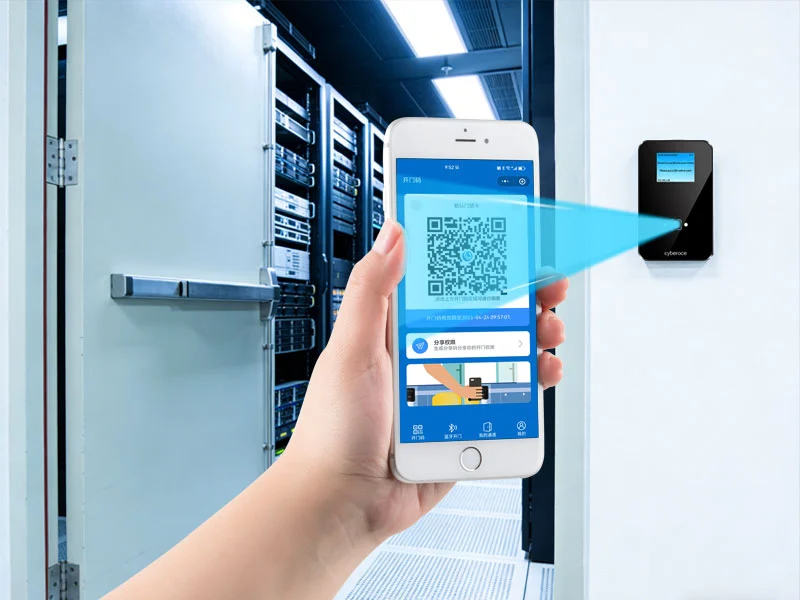
While QR codes solve the logical issue of "who can enter," the anti-tamper alarm solves the physical issue of "is the device still there." In scenarios such as server rooms, industrial parks, warehouses, and unattended sites, if intruders attempt to bypass the system by destroying the devices, the tamper alarm instantly exposes this behavior.

  1. Data Integrity and Easier Post-Maintenance

Operating at the hardware level, the anti-tamper function offers high stability. Even if an on-site operating error causes a factory reset, the core settings related to the tamper alarm will not be lost. This is particularly crucial for overseas or remote projects, significantly reducing remote after-sales costs caused by lost settings or false alarms.

  1. Enhancing Bidding and Solution Competitiveness

In many projects, readers equipped with tamper alarms are directly classified as "engineering-grade" equipment. Compared to standard barcode readers, this added layer of physical protection makes clients more likely to recognize the completeness of the solution, reflecting the contractor's professional consideration for security details.

 QR Code Access Control Applied in a Server Room

III、A More Practical Solution When Paired with QR Code Systems

While supporting anti-tamper output, Cyberoce's access control with QR code devices also maintain robust software flexibility:

  • Dynamic QR Codes: Supports dynamic code verification to prevent risks associated with screenshots and unauthorized sharing.
  • Easy System Integration: Provides SDKs and APIs, allowing platforms to directly read the tamper alarm status for linkage processing.
  • Customization Support: Offers OEM/ODM customization, including reinforced enclosures, modified anti-tamper structures, and logo silk screening, customization the PCB etc.

In actual deployments, the QR code authorizes access, while the tamper alarm secures the physical device itself. This combination ensures peace of mind on-site.

Cyberoce Technology has long focused on the R&D of QR code access control hardware. Our product positioning is clear: easy to integrate, highly durable, and suitable for long-term engineering use.

If you are looking for QR code access control terminals with anti-tamper alarm outputs and support for secondary development, or if you have specific hardware customization needs, please feel free to contact us for access security detailed technical specifications and integration methods.


Original source from https://cerberus-qrcodeaccess.com/info-detail/anti-tamper-alarm-for-access-control-with-qr-code-devices-securing-hardware-for-worry-free-project-delivery

Sunday, March 1, 2026

QR Code Access Control All-in-One vs. split access control: Full Comparison & Selection Guide


QR Code Access Control All-in-One vs. split access control: Full Comparison & Selection Guide

Are you still troubled by the tedious wiring between the controller and the read head? This article deeply compares the advantages and disadvantages of QR code access control all-in-one machines and traditional split type access control machines, revealing how modern QR code access control all-in-one machines can significantly reduce construction time and simplify post maintenance without sacrificing security. Make more efficient and wise choices for your next project.

Table of contents:

I、 Preface

II、 Noun Explanation

1.split-type access control
2.QR code access control all-in-one machine

III、 Comparison of advantages and disadvantages

1.Split type access control: high security

2.QR Code Access Control: Pros and Cons Analysis

IV. Is the QR code access control integrated machine safe

V、Cost

VI、 How to choose access control 


Text:

I、 Preface

Many people do not know how to choose between QR code access control integrated machine and split type access control when choosing access control, and are not clear about the difference between these two methods.

II、 Noun Explanation

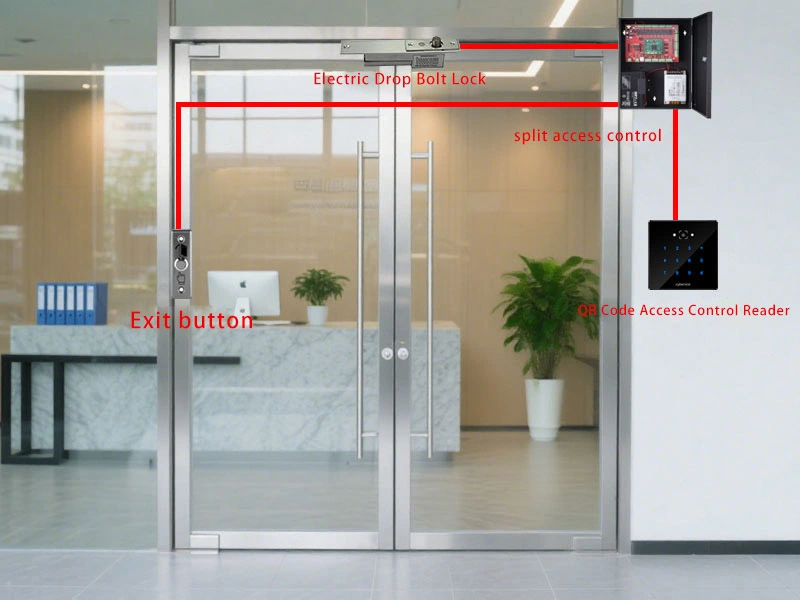
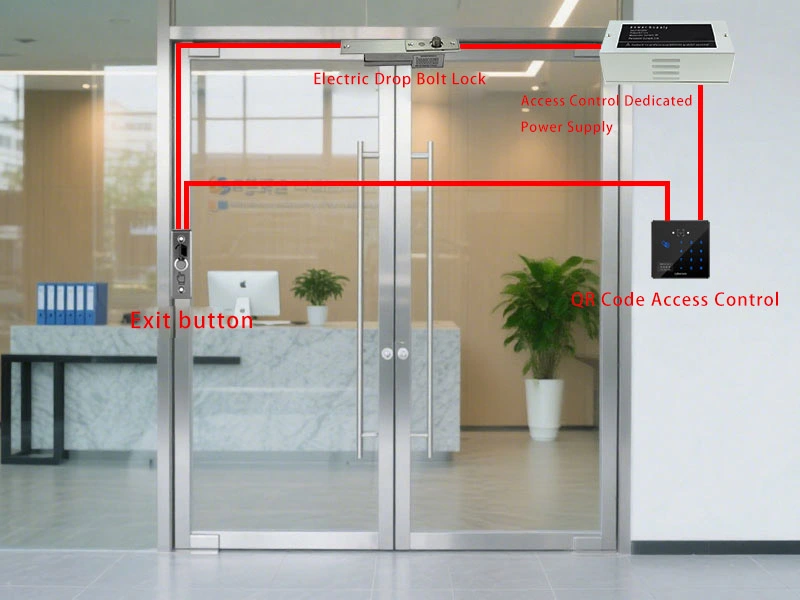
1.split-type access control
split  Access Control Topology Diagram

Composition: access control controller+reader.
Working mode: The reader is responsible for reading card or biometric data and transmitting the data to the controller through methods such as Wiegand, RS485, RS232, etc. The controller performs logic such as permission judgment, door opening, and communication with the backend.

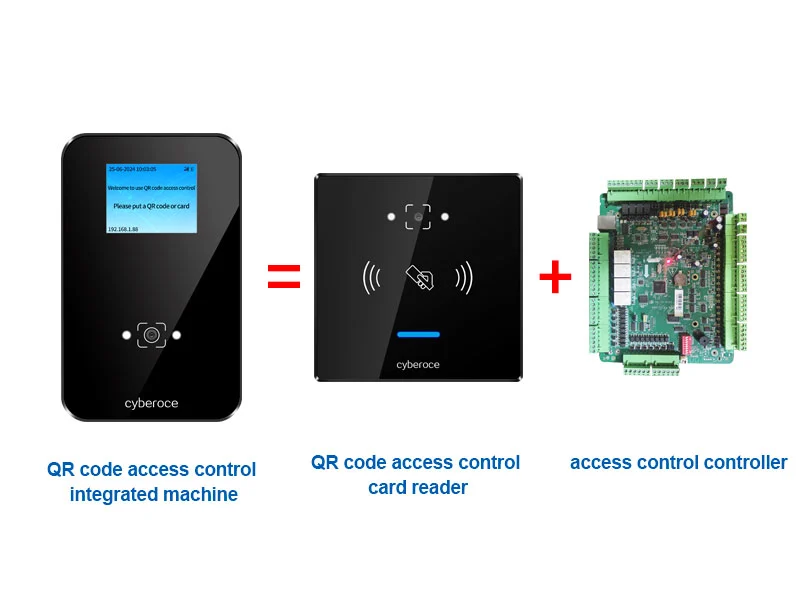
2.QR code access control all-in-one machine

QR Code All-in-One Access Control Topology Diagram


Composition: The controller and QR code reader are integrated into one device.
Working mode: All functions such as data reading, permission judgment, door opening, and communication with the backend are independently completed on this device.
As a professional manufacturer that produces both QR code access control all-in-one machines, controllers, and QR code access control readers, this article will objectively analyze the advantages and disadvantages of both.

III、 Comparison of advantages and disadvantages

1.Split type access control: high security

Advantage:
①High security: The controller is usually installed in indoor safe areas (such as ceilings or computer rooms), while the reading head is installed outside the door. Even if criminals damage or dismantle the door reading head, it is impossible to illegally open the door through short circuits or other means, so the safety is relatively high.
② Less network IP required: When using multi door controllers (such as dual door or four door), only one set of power supply and one network cable need to be set up for the controller, reducing the overall wiring quantity.
③Simple AB door interlock logic: Implementing complex AB door interlock functions on multiple door controllers is more direct, with configuration completed within the controller without relying on backend servers or communication between multiple controllers.
Potential drawbacks:
① Increased construction workload: The connection between the controller and the reading head (usually at least four wires: two power supplies and two communication cables) increases the workload of construction and installation.
② Connection stability challenge: With one more connection, there is one more potential point of failure. The more connections between the controller and the card reader, the higher the requirements for daily maintenance and stability.
③ Single point of failure has a large impact range: If multiple controllers are used, once the controller fails, the operation of multiple access controls will be affected simultaneously.

2.QR Code Access Control: Pros and Cons Analysis

 The QR code access control all-in-one machine integrates the QR code reader and controller into one device, and all functions (data reading, permission judgment, door opening, communication, etc.) are independently completed on one device.
Advantage:
① Simple installation and deployment: As there is no connection between the controller and the read head, at least four wires can be omitted during construction, which improves construction efficiency and shortens the project cycle.
② Intuitive status display: Many QR code access control all-in-one machines come with built-in display screens, which, due to their integration, can conveniently display device status, time, card number, network status, and other information in real time, providing a more user-friendly experience.
③ High independence: One device controls one door, with stronger independence. The access control systems will not interfere with each other and have good system isolation.
Potential drawbacks:
Increased demand for network resources: Each QR code access control all-in-one machine needs to independently connect to the network and occupy an IP address, requiring more network IP addresses than a split system with multiple controllers.

IV. Is the QR code access control integrated machine safe

Many users are concerned about the security of the QR code access control all-in-one machine - can criminals forcefully dismantle the machine and then short-circuit the circuit to illegally open the door?
This concern has been effectively addressed with modern access control technology:
① Environmental deterrence: In today's densely monitored office and public places, violent dismantling of QR code access control all-in-one machines will be monitored and recorded, which greatly serves as a deterrent. In addition, most QR code access control all-in-one machines are mostly used indoors and are often manned.
② Security upgrade plan: For scenarios with high security requirements, Cerberus has launched the AC037 security module.
*This module is connected to the QR code access control all-in-one machine through RS485 private protocol.
*The safety module is placed indoors (such as on the ceiling) and is responsible for door opening control.
*Even if criminals dismantle the QR code access control machine outside the door, they cannot open the door lock through short circuiting, which improves the security of the QR code access control machine.

V、Cost

In terms of overall cost, the difference between integrated QR code access control and traditional split access control is not significant. However, the combination of a four door controller and a reading head may have a slight cost advantage in some cases.

VI、 How to choose access control 

Conclusion: Choose the most suitable solution for you

Features

Split type access control (controller+reader)

QR code access controller(integurated)

Safety

Extremely high (controller indoors)

Good/can be upgraded to extremely high through the security module

Construction difficulty

Higher (controller reader requires connection)

Simple (minimal wiring)

single point of failure

Affects multiple doors (multi door controllers)

Only affects a single door (high independence)

Internet demand

Less (one controller with multiple doors)

Multiple (one door, one IP)

recommended scenarios

High security requirements and multi door interlocking environment.

Strong independence, pursuit of rapid deployment, indoor environment.

Original source from https://cerberus-qrcodeaccess.com/info-detail/qr-code-access-control-all-in-one-vs-split-access-control-full-comparison-selection-guide

Monday, February 23, 2026

Cyberoce QR code access control vs peer products: why do overseas system integrators ultimately choose us?


Cyberoce QR code access control vs peer products: why do overseas system integrators ultimately choose us?

Tired of unstable hardware? Cyberoce offers field-proven QR code access control with 12 years of focused expertise. Our platform-first hardware is a pure execution layer, ensuring reliability via modular monitoring and a dual-watchdog design. A unified HTTP/MQTT API across our certified product line enables non-destructive upgrades and unlimited expansion. Partner with us to reduce long-term costs, ensure project stability, and solve the pain points others can't.

Table of contents:

1、The independent operation and real-time monitoring of the core module are the underlying differences between Cyberoce QR code access control and peer products

2、Our company's QR code access control software and hardware collaboration guarantee: dual watchdog to prevent "crash"

3、Full scene compatible design:

4、Unified QR code access control interface:

5、Non destructive upgrade design for QR code access control:


Text:
For system integrators and software platform providers who pursue long-term stability and have development capabilities, choosing QR code access control hardware has never been a simple "function comparison" game. It is a strategic bet on long-term operating costs, system architecture sovereignty, and on-site reliability. Many system integrators have also used other brands of QR code access control products, but due to low compatibility, poor stability, and inadequate after-sales service, they ultimately chose Cyberoce QR code access control.

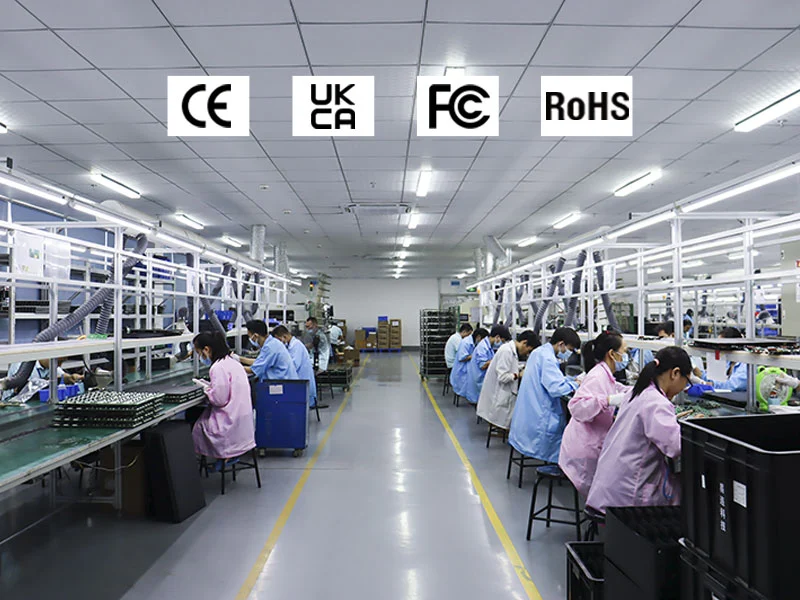
Since its establishment in 2014, Cyberoce has been deeply involved in the field of QR code access control, honing its skills for twelve years. It always adheres to the architecture design of software platform priority and hardware pure execution layer positioning, without participating in any data storage or logical decision-making, making the integrator's platform always the only "brain" and data center. Our company provides a unified HTTP/HTTPS/MQTT secondary development protocol, seamlessly integrating with any system platform. We have obtained a total of 88 prestigious certificates and patents, and our products have passed international certifications such as CE, FCC, and ROHS.

This article delves into the key engineering differences that make Cyberoce QR code access control the most reliable choice. Ensure that our devices not only execute your commands, but also perform with consistent stability.

1、The independent operation and real-time monitoring of the core module are the underlying differences between Cyberoce QR code access control and peer products

When designing QR code access control, Cyberoce did not aim for "functional stacking", but prioritized solving a problem: how can the equipment operate continuously and stably in complex and uncontrollable on-site environments?

Therefore, when designing QR code access control products, the most problematic processes of scanning, swiping cards, and networking should be made into independent modules that operate and monitor independently, rather than simply mixing them together.

*Scanning module: continuously detects the camera status and image decoding process, even in situations of changing lighting or frequent traffic, to maintain reading stability and reduce traffic interruptions caused by recognition abnormalities.

*Card swiping module: The communication process of the chip is fully controlled, and whether the instruction return is normal can be judged in real time to avoid the situation of "no response after swiping".

*Network module: The network status is continuously monitored, and even if there are fluctuations in the on-site network, the device can adjust the connection status in a timely manner to ensure uninterrupted data transmission.

These modules run independently and do not affect each other. When an exception occurs in a certain link, the system will prioritize handling it within this module, rather than directly affecting the overall operation of the machine. This can limit the problem to the minimum range and avoid small faults from spreading into system problems.

2、Our company's QR code access control software and hardware collaboration guarantee: dual watchdog to prevent "crash"

Simultaneous participation of software and hardware - ensuring more stable operation of access control using QR codes. In many project sites, network fluctuations and unstable power are common situations. Without hardware level monitoring, it is easy to encounter device unresponsive situations.

Cyberoce QR code access control usually introduces independent hardware monitoring circuits during software self checking to continuously detect power and system operation status. When encountering an exception, the device can actively handle it instead of constantly stopping in an abnormal state.

The dual watchdog is designed to solve the "most difficult to locate problem". In some extreme situations, the device may enter: unresponsive, not crashing but not working, and cannot be remotely restored. The Cyberoce QR code access control adopts a dual watchdog mechanism:

*Built in watchdog: The main control chip monitors whether the software is running normally

*External reset chip: Independently monitors the overall status of the machine and triggers a reset upon detecting any abnormalities

This approach is not intended to increase complexity, but to avoid the equipment being unable to recover for a long time in an abnormal state, which may affect normal on-site use.

3、Full scene compatible design:

*Wide voltage input+surge protection: supports DC 5-25V voltage

*Dynamic fill light technology: 0-80000 lux (non direct sunlight) light source, adaptive adjustment

*IPX7 protection design: suitable for outdoor use

*Extreme temperature test: wide temperature operation from -20 ℃ to 70 ℃

4、Unified QR code access control interface:

We provide a unified HTTP/HTTPS+MQTT interface that is forward compatible with all older versions. Our entire hardware series, including QR code access control all-in-one machines, facial access control machines, and layered elevator control motherboards, share the same interface logic. This means that the integrator's software platform can adapt to the hardware layout of all scenarios such as community gates, unit doors, turnstiles, elevators, etc. The software side does not need to adjust the architecture, only needs to add parameters to achieve functions such as elevator control linkage and package management, truly achieving "one-time docking, unlimited expansion". This is an architectural advantage that competitors in the same industry cannot match, and it is also the core capability that Cerberus has been polishing for overseas integrators for the past twelve years

5、Non destructive upgrade design for QR code access control:

Our company's QR code access control equipment retains the recognition function of 125kHz low-frequency ID card and 13.56MHz Mifare card, without the need to remove the original equipment

Independent relays are connected in parallel, and old and new equipment share control of electromagnetic locks.

The exclusive Wiegand port supports direct replacement of the original card reader head, adopting a separate processing mode of "card data belongs to the original controller, and QR code data belongs to the professional visitor system", allowing the original access control system to add standardized visitor management functions without any upgrade.

Overall advantages:

12 years of deep cultivation in the field of QR code access control, accumulating a large amount of project experience from domestic to overseas exports,

The product line is comprehensive, including QR code access card readers, QR code access control all-in-one machines, wireless cloud access control, scenic spot ticket checking motherboards, elevator controls, etc.

The hardware execution layer reduces maintenance costs, modular stability reduces failures, and unified interface accelerates expansion.

In privacy sensitive overseas markets, our 'data neutrality' and open architecture have more advantages, eliminating concerns about privacy breaches and other issues.

For overseas system integrators, choosing a QR code access control product is essentially choosing a partner who can solve the pain points throughout the entire project process. The 12 years of technological accumulation, scene insight, and cooperation philosophy of Cyberoce have enabled our products to accurately solve the actual project landing problems of integrators in every aspect from docking, landing, operation, and expansion. This is also why many overseas system integrators have chosen Cerberus after trying out peer products, and it is also the core reason why peer companies are willing to cooperate with us.

Original source https://cerberus-qrcodeaccess.com/info-detail/cyberose-qr-code-access-control-vs-peer-products-why-do-overseas-system-integrators-ultimately-choose-us

Wednesday, February 4, 2026

Tailored for overseas integration: How can device private keys make your QR code access control solution stand out


Tailored for overseas integration: How can device private keys make your QR code access control solution stand out

Unlock unparalleled security with the 'device private key' for QR code access control. This feature embeds a non-readable key in hardware, generating a unique digital signature to prevent data tampering and unauthorized access. It enables developers and system integrators to bind hardware exclusively to their software platform, ensuring total system integrity and control. Build highly customized, secure solutions compliant with GDPR, and gain a significant competitive advantage.
Table of contents:

1. The core mechanism of QR code access control device private key: reliable secure signature verification

2. The core value of QR code access control device private key: enhancing system integrity and controllability

3. Competitive advantage brought by device private keys: developer friendly project management tools

4. Actual implementation scenario: from development to long-term operation

5. Joining hands with Cerberus QR code access control device private key, creating a smart access control future together
How can device private keys make your QR code access control solution stand out

Text:

In the fields of pedestrian walkways and visitor reservation, QR code access control systems are rapidly becoming the mainstream choice worldwide, with mobile phones as carriers, remote temporary authorization, and no privacy leakage. As a system integrator or software platform provider with development capabilities, you often need to deeply integrate QR code access control hardware with independently developed system platforms to build highly adaptable complete solutions. In this process, the 'device private key' function plays a crucial role. It is not only the cornerstone of communication security, but also an indispensable and powerful tool for your project development and long-term operation.
This article will delve into how this feature provides significant assistance to overseas system integrators and software platform providers with development capabilities from three dimensions: technical principles, practical value, and competitive advantages.

1. The core mechanism of QR code access control device private key: reliable secure signature verification
The QR code access control supports HTTP/HTTPS and MQTT protocols.

The device private key is an encryption key that is uniformly injected into a batch of devices according to project requirements. Its design ensures that the key itself cannot be read or extracted, thereby providing the highest level of confidentiality. When the QR code access control communicates with the server, the private key will automatically generate a unique digital signature for the transmitted data. The server-side performs strict verification through the corresponding public key or verification logic, and only accepts requests and performs subsequent operations such as opening doors, logging, or status synchronization when the signature is valid.
This' secure signature verification 'mechanism is based on mature encryption principles and can effectively prevent data tampering, replay attacks, and unauthorized access. Even if the communication link is intercepted, attackers cannot forge legitimate signatures to ensure end-to-end security. For integrators with secondary development capabilities, the biggest advantage of this feature is its high programmability. Through our HTTP/HTTPS and MQTT protocols, you can easily customize batch key injection, signature verification logic, and seamlessly integrate with existing software platforms. This means that you don't need to build encryption modules, just focus on business logic development to quickly deploy access control systems that comply with international security standards.
In overseas markets, this mechanism is particularly in line with strict compliance requirements. For example, European GDPR, North American CCPA, or Australian privacy laws all provide clear regulations on data transmission security in access control systems. The device private key helps you easily meet these standards while enhancing the professional image of the project - customers will see a system that is tightly encrypted and protected, which in itself is a bonus for trust.

2. The core value of QR code access control device private key: enhancing system integrity and controllability

For system integrators and software platform providers, the value of device private keys far exceeds the mere encryption function. It provides you with a reliable way to ensure deep binding between hardware and software, forming a highly integrated solution. When deploying projects for end customers such as corporate parks, university laboratories, hotels, or residential communities, you can configure exclusive key policies for specific batches of devices and closely link them to your software platform.
The direct benefit of this binding is the overall stability and consistency of the system. All communications undergo signature verification, and only devices that meet the expected rules can participate in interactions normally. This avoids compatibility issues that may arise from diverse hardware sources, ensuring that the entire access control ecosystem remains efficient and reliable in long-term operation. End customers benefit from lower maintenance costs and higher system availability - they don't have to worry about interruptions during device replacement or expansion, as everything runs smoothly within a controllable range.
At the same time, for system integrators and software platform providers with development capabilities, this feature greatly enhances project manageability. You can flexibly define the admission and interaction rules of devices based on different customers, regions, or project stages, transforming universal hardware into intelligent components fully managed by software platforms. This not only simplifies the deployment process, but also reserves a secure channel for subsequent remote diagnostics, firmware upgrades, and feature extensions.
In the overseas competitive environment, this controllability is particularly valuable. Many projects involve multi-party collaboration or long-term phased execution, and the device private key ensures the continuity and security of the system, giving end customers more confidence in the overall solution, while also demonstrating a higher level of professionalism in delivery. Ensuring a highly unified protocol for all hardware within the system, the access control system can maintain a fast response time of 0.1 seconds even under high concurrent traffic pressure, reducing subsequent maintenance costs.

3. Competitive advantage brought by device private keys: developer friendly project management tools

In the global smart access control market, system integrators with secondary development capabilities often face the challenge of how to transform hardware advantages into differentiated solutions. The device private key is the key driving force behind this transformation. It allows you to seamlessly integrate standardized hardware with highly customized software, building exclusive systems that are difficult to simply replicate.
Through API interfaces, you can achieve refined key management: batch injection, dynamic updates, remote monitoring, and other operations become simple and efficient. This means that in large or cross-border projects, you can easily maintain the status of device clusters, ensuring that each device strictly follows pre-set security policies. This flexibility transforms universal hardware into an exclusive extension of your software platform, greatly enhancing the security and sustainability of your solutions.
More importantly, this feature provides you with a tool for proactively managing projects. Whether it is a single building or a multi phase park expansion, you can lock in the core interaction entrance through the software platform to ensure that the system maintains optimal performance throughout its entire lifecycle. This not only reduces technical risks, but also brings tangible value to end customers: a stable, secure, and easily scalable ecosystem that extends the system lifecycle while significantly reducing later operational costs and failure rates.
Many leading international access control vendors have already integrated similar mechanisms into their product systems, and Cerberus' implementation places particular emphasis on developer experience: complete documentation, SDK friendliness, and support for multiple programming languages, making the integration process efficient and smooth. Combined with other advantages of our hardware, such as dynamic QR code anti screenshot, automatic expiration, IPX7 waterproof and anti-static, and fast recognition under strong light, the device private key further enhances the overall competitiveness.

4. Actual implementation scenario: from development to long-term operation

Imagine deploying a QR code access control system for an office building for a European multinational corporation: investing significant resources in developing visitor management, elevator linkage, and HR system integration in the early stages. The device private key enables you to establish advanced verification collaboration between software and hardware, ensuring that each terminal becomes an inherent and trusted component of the platform ecosystem, thereby ensuring the robust operation of the entire architecture. The end customers enjoy the experience of contactless scanning and fast passage, while you continuously provide precise remote support through the platform, ensuring the long-term operation of the system while building a deep partnership based on technological strength.
In the North American university laboratory project, you can configure independent key policies for different departments to achieve fine-grained access control. At the same time, the private key mechanism ensures data security in sensitive areas, meets compliance requirements, and also reserves flexible space for future expansion.
These scenarios demonstrate that device private keys are not only security features, but also strategic assets for you to win in overseas markets. It helps you deliver more professional and reliable solutions while creating long-term value for end customers.

5. Joining hands with Cerberus QR code access control device private key, creating a smart access control future together
Multi-functional all-in-one QR code access control device, supporting door access via QR code scanning, card swiping, etc.

The device private key is a core feature tailored for developers in the Cerberus QR Code Access system. It is based on strong secure signature verification, providing solid support for system integrators and software platform providers with development capabilities to build integrated solutions: higher system controllability, stronger project sustainability, and better competitive positioning. Embracing this feature, you will take the lead in the global market and deliver truly intelligent and secure QR code access control experiences to customers.
Original Source from https://cerberus-qrcodeaccess.com/info-detail/tailored-for-overseas-integration-how-can-device-private-keys-make-your-qr-code-access-control-solution-stand-out

Tuesday, February 3, 2026

Why Quality Control is the Backbone of Stable QR Code Access Control Systems

  In today’s security landscape, QR code access control has moved from a "trendy feature" to a standard requirement for office buildings, industrial parks, and smart communities. However, as adoption grows, the industry is shifting its focus from mere functionality to long-term stability, low failure rates, and minimal maintenance.

As a veteran manufacturer, Cerberus believes that while speed catches the eye, stability wins the trust. True reliability isn't just a line on a spec sheet—it is built through a rigorous, step-by-step manufacturing process.


I. Sourcing Without Compromise: The Lifecycle of Raw Materials

The reliability of any hardware begins with its "DNA"—the raw materials. At Cerberus, we adhere to a strict procurement philosophy: No cutting corners, no recycled components, and no compromises.

  • Supplier Screening: We prioritize partners with proven track records and stable batch consistency.

  • The "Freshness" Factor: Electronic components have a shelf life. We avoid "stale" inventory (materials stocked for too long) because aged components are the leading cause of instability in high-frequency scanning scenarios.

  • Consistency: Consistent material batches ensure that the 1,000th unit performs exactly like the 1st.


II. The SMT Process: Why Every PCBA Must Be Flawless

For a QR code reader to achieve millisecond recognition and constant network connectivity, the quality of the PCBA (Printed Circuit Board Assembly) must be exceptional.

After the SMT assembly and soldering phase, Cerberus implements AOI (Automated Optical Inspection). This high-precision technology scans every board for:

  • Cold solder joints

  • Component misalignment

  • Invisible micro-fractures

By catching these "eye-invisible" defects at the factory stage, we prevent hardware crashes that usually only surface after months of field use. While AOI increases production time, it drastically reduces the Total Cost of Ownership (TCO) for our clients.


III. The 72-Hour Aging Test: Stress-Testing for Reality

A device might look perfect when it is first powered on, but the real test is continuous operation. To ensure "out-of-the-box" reliability, every Cerberus device undergoes a 72-hour power-on aging test.

  1. Continuous Load Simulation: We run the systems under constant load to simulate high-traffic environments.

  2. Infant Mortality Protection: Most hardware failures occur within the first few hours of use. We ensure those failures happen in our lab, not at your entrance gate.

  3. 100% Final Inspection: After aging, every unit must pass a final round of communication, recognition, and interface tests before being packaged.


IV. Stability: The Ultimate Competitive Advantage

On-site, QR code access control is incredibly convenient. It eliminates physical card management and simplifies permission shifts. However, that convenience vanishes the moment a system fails.

At Cerberus, we focus on the things that aren't immediately noticeable but become vital over time:

  • Reliability over "Feature Bloat": We prioritize flawless recognition over unnecessary software gimmicks.

  • Quality over Cost-Cutting: We manage costs through efficiency, never by sacrificing the integrity of the hardware.

  • Prevention over Cure: We solve problems on the production line so you don't have to solve them at the project site.


Conclusion

At Cerberus, we prefer to spend time perfecting the product so our customers don't have to spend time fixing it. If you value long-term operational stability over short-term parameter comparisons, Cerberus is your ideal partner for QR code access control solutions.

Original source from https://cerberus-qrcodeaccess.com/info-detail/strict-quality-control-ensures-the-long-term-stable-operation-of-access-control-with-qr-codes-systems

Tuesday, January 27, 2026

How Can We Maintain a Consistent User Experience When Access Control with QR Code During Peak Traffic Hours?

 Peak traffic hours are a key scenario for testing the maturity of QR code access control systems. This article analyzes how QR code access control, through stable computing power, reasonable system architecture, and restrained functional design, can maintain a consistent and predictable access experience during periods of high population density, based on real-world usage during peak hours. It also illustrates the practical value of industrial-grade platforms in access control with QR Code.

Table of contents:

I、A consistent experience is more important than "how fast you run"

II、Access Control with QR Code is not just about "scanning a code"

III、Access Control with QR Code using an industrial-grade platform, it truly ensures continuous and stable output capabilities.

IV、A consistent user experience stems from "restraint" in system design

V、Peak traffic hours are a key scenario for testing the maturity of QR code access control systems.


The QR code access control system directly controls the turnstile; users scan the QR code to pass through the turnstile.
The real test of access control with QR Code is not the casual passages in daily life, but in the peak passage times when people are concentrated in one place.

During rush hours, peak hours, meeting closing times, and shift changes within the park, a large number of people simultaneously use access control with QR Code within a short period. Any delay in response will be amplified and directly affect the on-site traffic order and experience.


I、A consistent experience is more important than "how fast you run".

During peak traffic hours, the most direct feeling for users is not how fast the system is during a single scan, but whether the passage is roughly the same for every time.

For QR code access control, a consistent user experience is typically reflected in: whether the response time is stable after each scan, whether there is a significant slowdown during peak hours, and whether the user experience is consistent across different people and at different times.

"Sometimes it's fast, sometimes you have to wait," which is inherently unstable, and this instability is especially noticeable when people are traveling in large numbers.


II、Access Control with QR Code is not just about "scanning a code".

In real-using applications, the process of passing through a QR code access control system is not as simple as it seems.

Especially during peak traffic hours, the system needs to complete multiple processes simultaneously within a very short time:

During a single passage, QR code access control actually requires the simultaneous completion of multiple operations:

  • Quickly identify and parse QR code images
  • the validity period and security of dynamic QR codes.
  • Real-time determination of access permissions and time rules
  • Data interaction with local or backend systems
  • Update device status and record access logs

When a large number of people scan the code to pass through at the same time, these operations will occur in parallel, which will place higher demands on the system's computing power, task scheduling capabilities, and overall architecture.


III、Access Control with QR Code using an industrial-grade platform, it truly ensures continuous and stable output capabilities.

The industrial-grade main control platform doesn't deliver a short-term performance boost, but rather the ability to stably complete each process even under increasing traffic pressure.

  • The scanning and recognition speed remained consistent.
  • The verification process will not be significantly slowed down by the concentration of personnel.
  • The system's operating status is predictable, and sudden lag will not occur.

Even during peak hours when people are coming and going, QR code access control can maintain a relatively smooth and predictable passage experience.


IV、A consistent user experience stems from "restraint" in system design.

Mature QR code access control systems typically don't cram too many complex functions into the core access path.
Especially during peak hours or in scenarios with concentrated traffic flow, the system design prioritizes several things:

  • Prioritize ensuring the most basic and critical passage procedures.
  • Non-core functions do not compete for resources and do not affect the door opening speed.
  • There are clear rules for how system resources are allocated and what is processed first.

Simplifying key processes and clearly planning system resources to ensure that QR codes can open doors stably and smoothly even during peak periods is often more important than pursuing the theoretical "fastest speed".


V、Peak traffic hours are a key scenario for testing the maturity of QR code access control systems.

Many systems perform normally in test environments or daily use, but once peak traffic arrives, they will expose problems with inconsistent responses.

Whether the user experience can remain stable during peak traffic periods often depends on:

  • Does the main control platform have sufficient performance margin?
  • Was the system architecture designed for peak traffic periods from the outset?
  • Has it undergone long-term validation in real-world application scenarios?

the core requirement for QR code access control systems during peak traffic periods.


Consistency and stability are the best experience during peak traffic hours.

For users who use QR codes for access control, the ideal access experience is fast, with each scan completed within a predictable timeframe; no need for repeated attempts during peak hours; and a natural, smooth, and uninterrupted access process.

When QR code access control can maintain this consistent experience even during peak traffic periods, the system itself already possesses a mature foundation for long-term reliable operation.

original source from https://cerberus-qrcodeaccess.com/info-detail/how-can-we-maintain-a-consistent-user-experience-when-access-control-with-qr-code-during-peak-traffic-hours