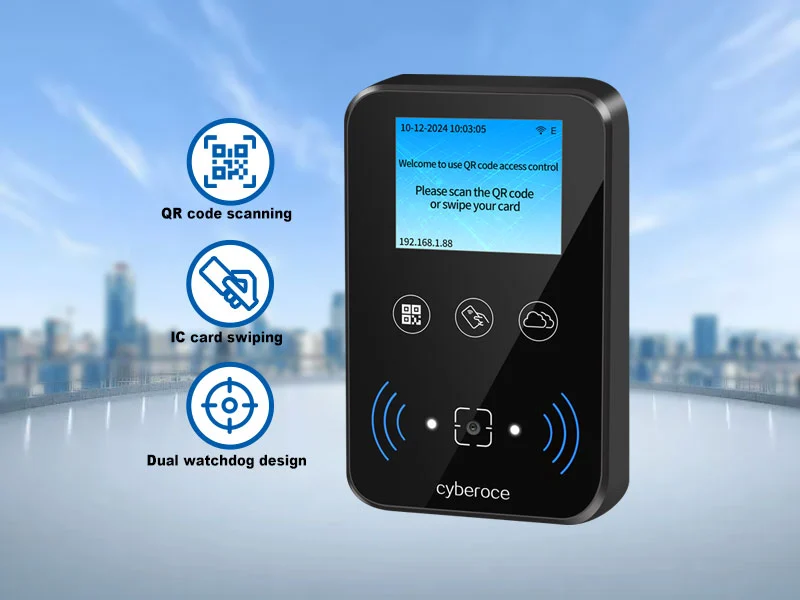
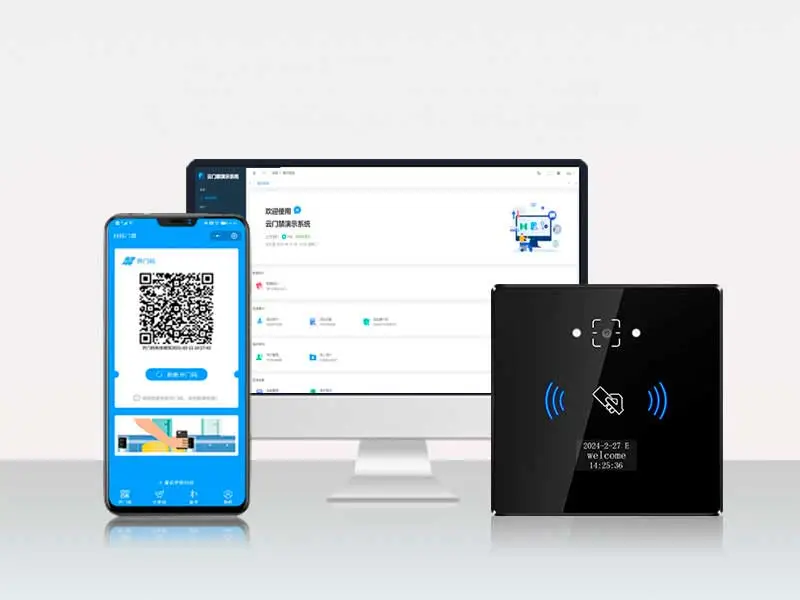
Peak traffic hours are a key scenario for testing the maturity of QR code access control systems. This article analyzes how QR code access control, through stable computing power, reasonable system architecture, and restrained functional design, can maintain a consistent and predictable access experience during periods of high population density, based on real-world usage during peak hours. It also illustrates the practical value of industrial-grade platforms in access control with QR Code.
Table of contents:
I、A consistent experience is more important than "how fast you run"
II、Access Control with QR Code is not just about "scanning a code"
III、Access Control with QR Code using an industrial-grade platform, it truly ensures continuous and stable output capabilities.
IV、A consistent user experience stems from "restraint" in system design
V、Peak traffic hours are a key scenario for testing the maturity of QR code access control systems.
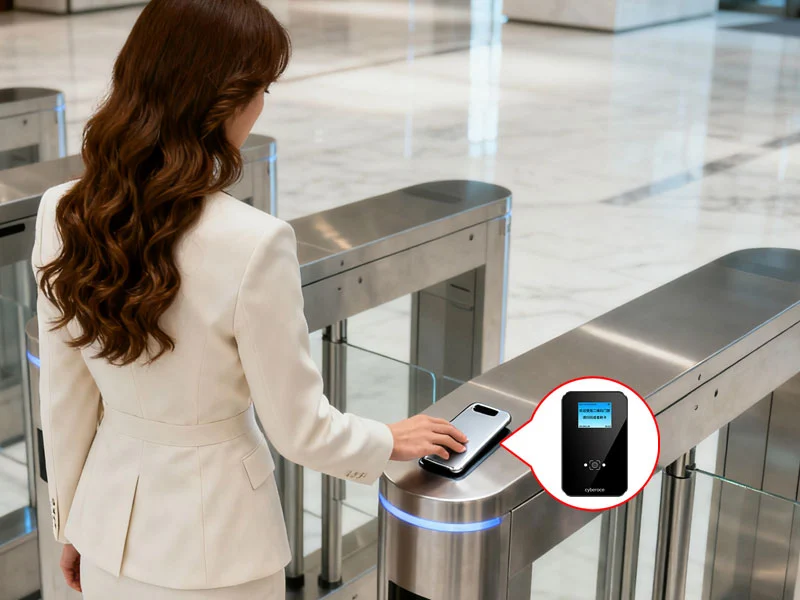
The real test of access control with QR Code is not the casual passages in daily life, but in the peak passage times when people are concentrated in one place.
During rush hours, peak hours, meeting closing times, and shift changes within the park, a large number of people simultaneously use access control with QR Code within a short period. Any delay in response will be amplified and directly affect the on-site traffic order and experience.
I、A consistent experience is more important than "how fast you run".
During peak traffic hours, the most direct feeling for users is not how fast the system is during a single scan, but whether the passage is roughly the same for every time.
For QR code access control, a consistent user experience is typically reflected in: whether the response time is stable after each scan, whether there is a significant slowdown during peak hours, and whether the user experience is consistent across different people and at different times.
"Sometimes it's fast, sometimes you have to wait," which is inherently unstable, and this instability is especially noticeable when people are traveling in large numbers.
II、Access Control with QR Code is not just about "scanning a code".
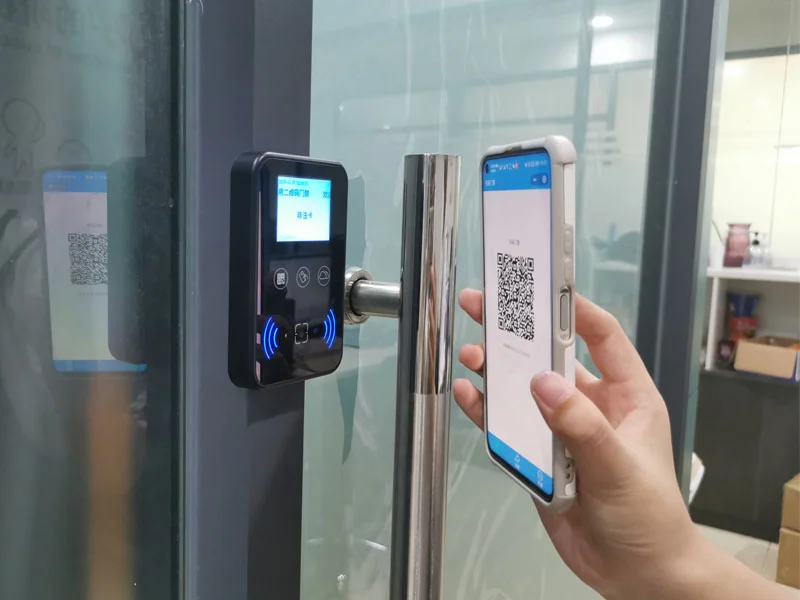
In real-using applications, the process of passing through a QR code access control system is not as simple as it seems.
Especially during peak traffic hours, the system needs to complete multiple processes simultaneously within a very short time:
During a single passage, QR code access control actually requires the simultaneous completion of multiple operations:
- Quickly identify and parse QR code images
- the validity period and security of dynamic QR codes.
- Real-time determination of access permissions and time rules
- Data interaction with local or backend systems
- Update device status and record access logs
When a large number of people scan the code to pass through at the same time, these operations will occur in parallel, which will place higher demands on the system's computing power, task scheduling capabilities, and overall architecture.
III、Access Control with QR Code using an industrial-grade platform, it truly ensures continuous and stable output capabilities.
The industrial-grade main control platform doesn't deliver a short-term performance boost, but rather the ability to stably complete each process even under increasing traffic pressure.
- The scanning and recognition speed remained consistent.
- The verification process will not be significantly slowed down by the concentration of personnel.
- The system's operating status is predictable, and sudden lag will not occur.
Even during peak hours when people are coming and going, QR code access control can maintain a relatively smooth and predictable passage experience.
IV、A consistent user experience stems from "restraint" in system design.
Mature QR code access control systems typically don't cram too many complex functions into the core access path.
Especially during peak hours or in scenarios with concentrated traffic flow, the system design prioritizes several things:
- Prioritize ensuring the most basic and critical passage procedures.
- Non-core functions do not compete for resources and do not affect the door opening speed.
- There are clear rules for how system resources are allocated and what is processed first.
Simplifying key processes and clearly planning system resources to ensure that QR codes can open doors stably and smoothly even during peak periods is often more important than pursuing the theoretical "fastest speed".
V、Peak traffic hours are a key scenario for testing the maturity of QR code access control systems.
Many systems perform normally in test environments or daily use, but once peak traffic arrives, they will expose problems with inconsistent responses.
Whether the user experience can remain stable during peak traffic periods often depends on:
- Does the main control platform have sufficient performance margin?
- Was the system architecture designed for peak traffic periods from the outset?
- Has it undergone long-term validation in real-world application scenarios?
the core requirement for QR code access control systems during peak traffic periods.
Consistency and stability are the best experience during peak traffic hours.
For users who use QR codes for access control, the ideal access experience is fast, with each scan completed within a predictable timeframe; no need for repeated attempts during peak hours; and a natural, smooth, and uninterrupted access process.
When QR code access control can maintain this consistent experience even during peak traffic periods, the system itself already possesses a mature foundation for long-term reliable operation.
original source from https://cerberus-qrcodeaccess.com/info-detail/how-can-we-maintain-a-consistent-user-experience-when-access-control-with-qr-code-during-peak-traffic-hours

 Text:
Text: